There is no reliable single answer, and we will not give you a number. How long CBD, or the traces of THC that a CBD product can contain, stay in your body varies from person to person. If you could be drug tested, the safe approach is not to assume that any CBD product is free of THC.
Why there is no single number
How long a substance stays detectable depends on the person and on how much and how often it is used. Because there is no figure that applies to everyone, any number quoted online should be treated with caution. For questions about your own body, speak to a doctor or pharmacist.
CBD, THC and drug tests
The point that matters for testing is THC, not CBD. The Home Office says it is highly likely that CBD products contain traces of controlled cannabinoids such as THC, because it is nearly impossible to extract CBD without them. A hemp product stays under a low THC level, but “low” is not the same as “none”. Standard drug tests are generally designed to look for THC, so even a trace can matter to someone who is tested.
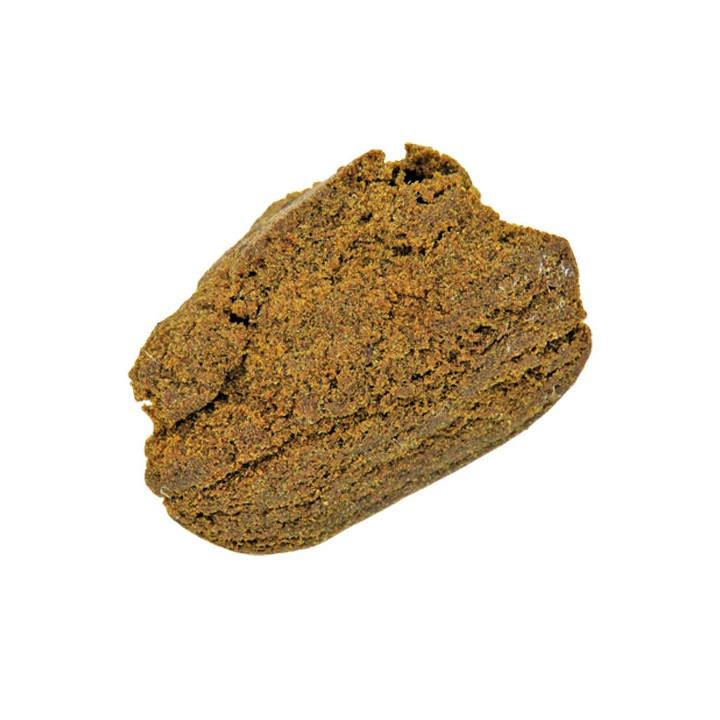
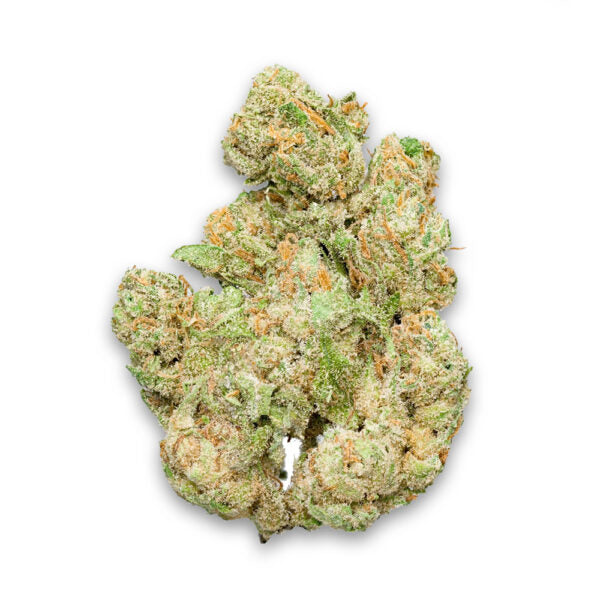
Check the lab report of your batch for its THC figure. Biscotti, 22% CBD.
If you are tested at work or in sport
- Do not assume that any CBD product is safe for a drug test, whatever its label says.
- Ask your employer, or your sport’s governing body, what applies to you before you use it.
- Keep the lab report of your batch: it lists the THC figure of the product you hold.
What we can tell you
Every Buds King batch is tested, and the report shows the CBD percentage and the THC figure, below 0.2% on every batch. Ask our team for the report of your batch. To learn how to read it, see how to read a CBD lab report. For the full picture on CBD and THC, read What Is CBD? A UK Guide to Flower, Hash and Pre Rolls.
If you take medication
If you take medication or have a health condition, speak to a doctor or pharmacist before you buy any CBD product. Our products are sold to adults aged 18 and over only.
Sources
- Home Office, Drug licensing factsheet: cannabis, CBD and other cannabinoids (updated 3 October 2024)
General information, not medical advice. Our products are not medicines and we make no medical claims. For health questions, speak to a doctor or pharmacist. Last reviewed 12 November 2026.
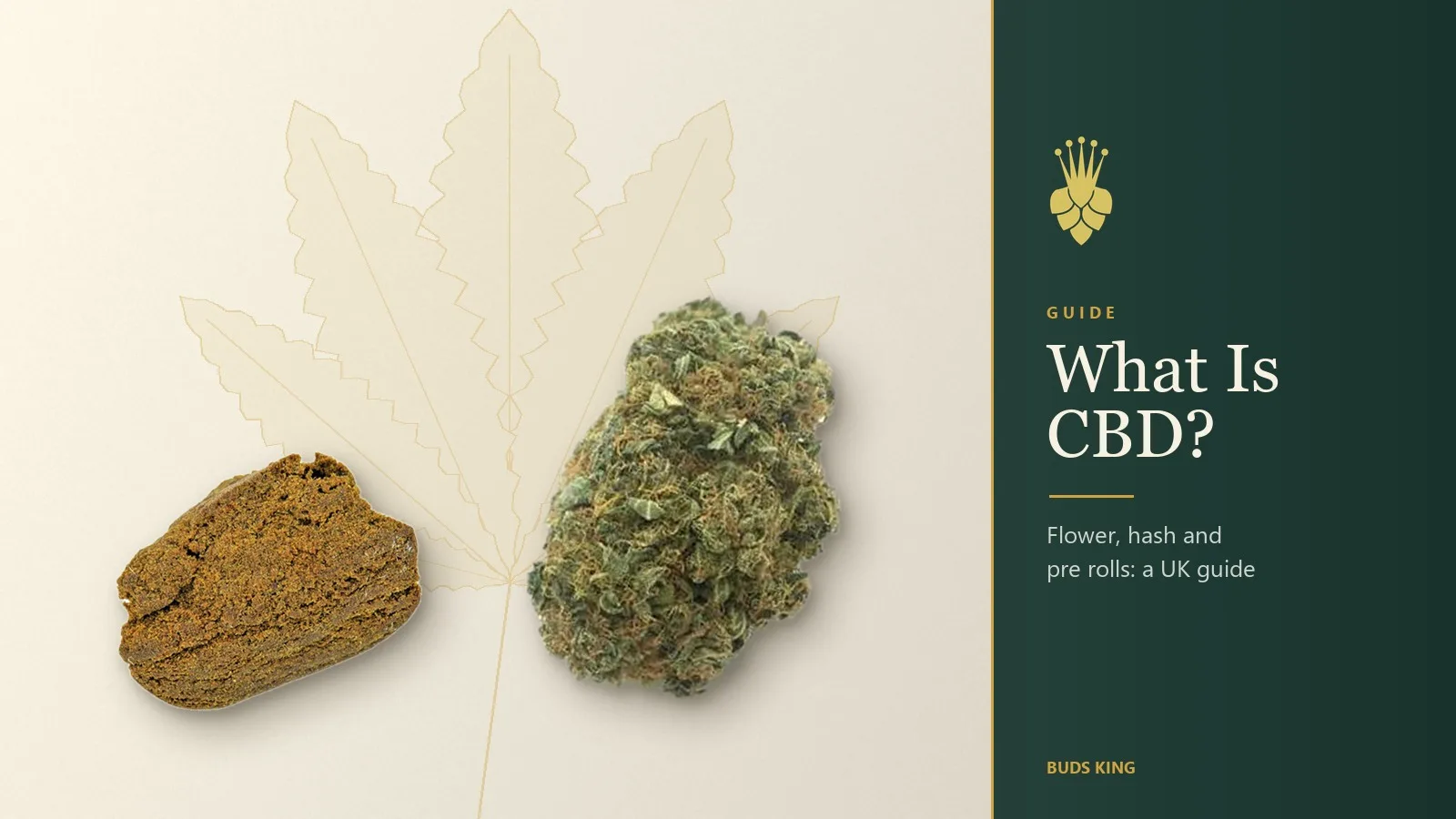
CBD, short for cannabidiol, is a natural compound found in the cannabis plant. This guide explains what it is, how it differs from THC, how CBD flower, hash and pre rolls are made, and what the UK guidance says.
Light, air and heat are the enemies of terpenes. Here's the jar-and-humidity routine we use in the warehouse.
The rules on CBD in the UK are strict and they change. This page sets out what the Home Office says and where to read it.