Terpenes 101: the aromas behind every strain
A plain-English guide to the four terpenes that shape most CBD strains, what each one smells like and where to find it.
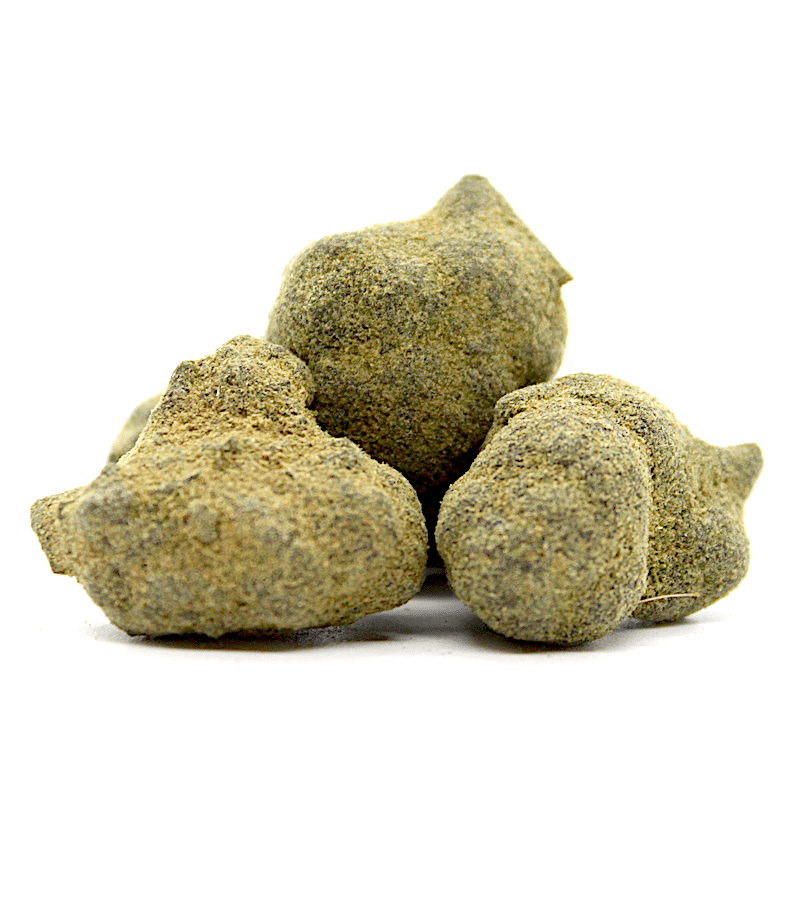
Myrcene, limonene, pinene, caryophyllene — what they smell like and where to find them on our shelf.
What terpenes actually are
Terpenes are the aromatic oils that give every plant its smell — pine needles, lemon peel, lavender and cannabis all owe their nose to terpenes. In CBD flower they are produced in the same trichomes as the cannabinoids, and they are a big part of what makes one strain feel different from another.
Myrcene — earthy and musky
The most common terpene in cannabis, myrcene smells earthy, herbal and faintly of ripe mango. It tends to dominate heavier, more relaxing strains. If a bud smells "dank" in the classic sense, myrcene is usually why.
Limonene — bright citrus
As the name suggests, limonene carries a zesty citrus-peel aroma. It is the lift behind brighter, fresher-smelling strains and is the same compound that makes lemons smell like lemons.
Pinene — fresh forest
Pinene smells exactly like a pine forest: sharp, clean and green. It is one of the most widespread terpenes in nature and gives certain strains their crisp, resinous edge.
Caryophyllene — warm spice
Peppery and warm, caryophyllene is the terpene behind black pepper and cloves. It is common in bakery-sweet and spicy strains and is unusual in that it also interacts with the body like a cannabinoid.
Where to find them on our shelf
Our product pages list the dominant terpenes for each strain, so you can shop by nose. If you love a citrus-forward bud, look for limonene; if you want something earthy and mellow, follow the myrcene.
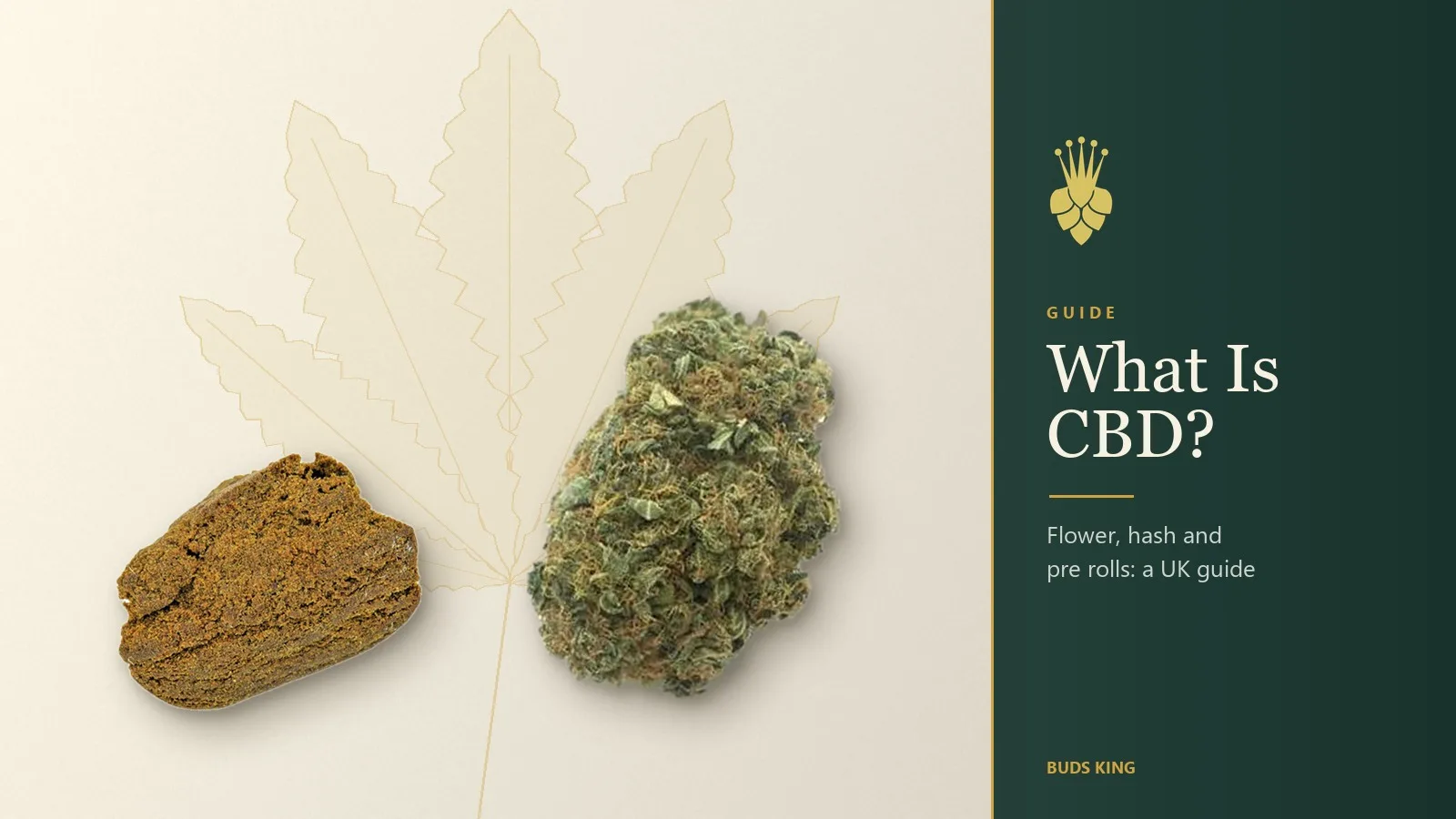
CBD, short for cannabidiol, is a natural compound found in the cannabis plant. This guide explains what it is, how it differs from THC, how CBD flower, hash and pre rolls are made, and what the UK guidance says.
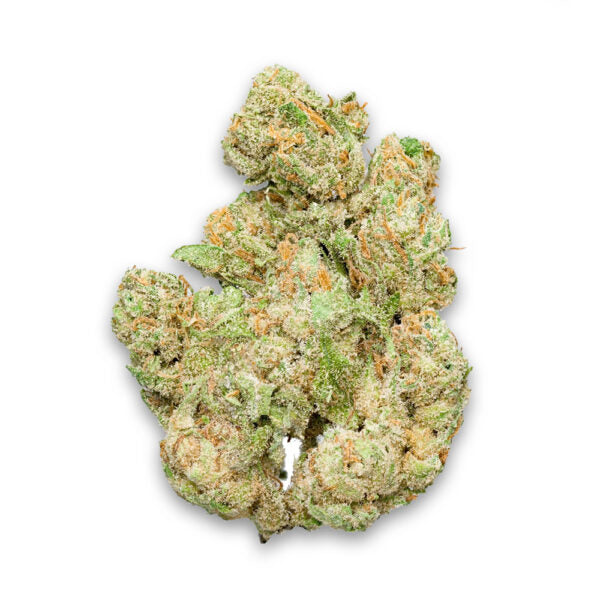
Light, air and heat are the enemies of terpenes. Here's the jar-and-humidity routine we use in the warehouse.
The rules on CBD in the UK are strict and they change. This page sets out what the Home Office says and where to read it.